 Team
Team A youth baseball tryout checklist helps players 8–18 understand what competitive coaches actually evaluate during the selection process. Most parents focus only on hitting power or arm strength, but elite youth programs like Team Gorillas assess attitude, coachability, baseball IQ, and long-term potential alongside raw talent. This guide walks you through exactly what coaches watch for—so your player arrives prepared, confident, and ready to earn a spot.
Physical Skills on the Youth Baseball Tryout Checklist
Raw talent is the first checkpoint, but it’s not the only one. Coaches grade physical ability across five core competencies during tryouts.
Hitting Mechanics and Approach
Coaches observe how a player positions their feet, loads their hands, and follows through—not just how hard they hit the ball. Consistency matters more than one spectacular swing. A player who makes solid contact in four of five pitches scores higher than one who crushes one ball and misses three.
Your checklist note: Watch for pitch recognition, not panic. Can your player lay off bad pitches? Do they adjust their stance mid-at-bat? Discipline separates competitive travel players from rec-league hitters.
Fielding Range and Footwork
Coaches time how quickly a player gets to a ground ball and how smoothly they transition from glove to throwing hand. A player with average arm strength but excellent footwork is often more valuable than a stronger arm with sloppy positioning.
Test your player’s range drills at home. Can they backhand a ball cleanly to their left? Do their feet move before their hands? These habits develop over weeks—not during tryouts.
Throwing Accuracy and Arm Strength
Coaches measure both the distance and accuracy of throws from the field. A 50-mile-per-hour throw to home plate that sails over the cutoff man is worse than a 42-mph throw that hits the base runner perfectly. Control under pressure is what coaches write down.
Speed and Baserunning Instinct
Coaches clock 60-yard dash times, but they also watch how a player reads bases, takes leads, and reacts to coach signals. A smart baserunner who avoids outs is worth more than a faster player who runs recklessly.
Catching and Pitcher Fundamentals
For position-specific players, coaches evaluate blocking skills, pop time (from glove to throw on steal attempts), and pitch selection for catchers. For pitchers, they assess control, mechanics, and composure on the mound—not just velocity.
Ready to Get Started?
Mental Toughness and Attitude Traits on Your Checklist
Physical talent without mental resilience rarely makes it past 12 years old in competitive baseball. Coaches spend half their evaluation time watching how players respond to failure.
How Players React to Strikeouts
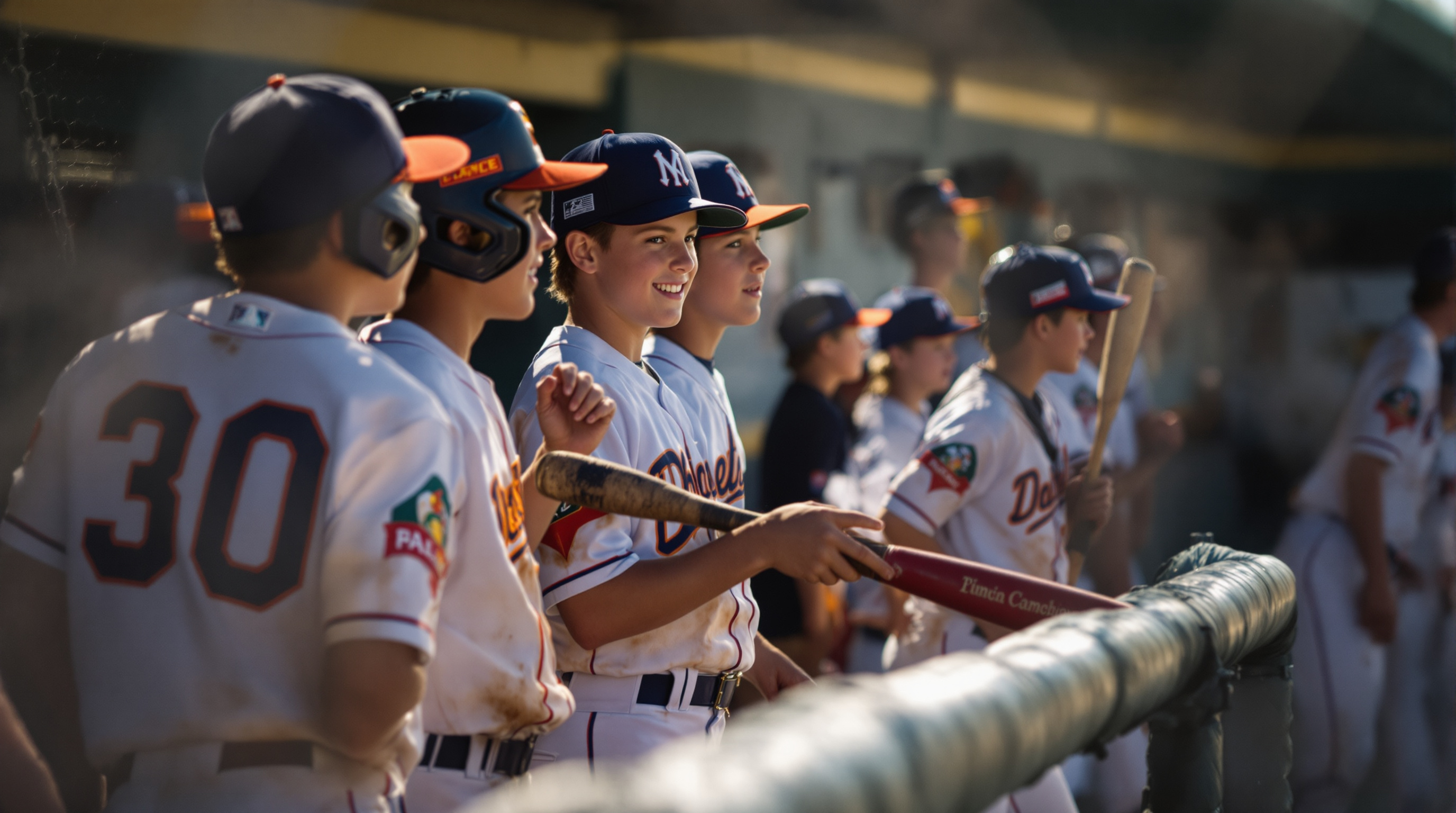
Does your player throw their bat or helmet after an out? Do they stay locked in the next inning, or do they mentally check out? Coaches watch the dugout as carefully as they watch the field. A player who strikes out, shakes it off, and prepares for the next opportunity shows elite mentality at any age.
Prepare your player: Practice staying composed after failure. Teach them that elite players fail regularly—they just don’t stay broken about it.
Coachability and Feedback Response
This is the single highest predictor of long-term success. When a coach gives instruction (“keep your elbow up” or “take one more step toward the gap”), does the player immediately apply it? Do they ask clarifying questions, or do they argue or dismiss feedback?
Players who show hunger to improve—who nod, adjust, and try again—stand out immediately. This trait is more predictive of future performance than current ability.
Communication and Effort
Does your player communicate with teammates? Do they call for fly balls confidently? Do they hustle on every play—even in the 4th inning of a scrimmage? Coaches notice effort and voice instantly.
A player who runs full-speed to first base on a fielder’s choice, shouts encouragement in the dugout, and talks through pitches with the catcher shows the team-oriented mindset that builds winning programs.
Baseball Intelligence and Game Awareness
Coaches call this “the mental side of the game.” It’s the difference between a player who executes and a player who understands why they’re executing.
Situational Awareness
Does your player know how many outs there are? Can they read the runner on second’s lead to predict a steal? Do they adjust their approach with a runner in scoring position? These aren’t talent—they’re training and focus.
A 12-year-old who counts outs, watches the pitcher’s tendencies, and calls pitches strategically to a catcher earns coach respect regardless of raw arm strength. This awareness multiplies as players age into 15U and 18U programs.
Pitch Recognition
Competitive coaches want players who can identify fastballs, breaking balls, and off-speed pitches—especially under pressure. A player who fouls off five straight pitches looking for their pitch (instead of swinging at anything close) shows advanced discipline.
Your preparation note: Spend time in batting practice focusing on pitch selection, not just swing mechanics. Have your player hit off different pitch types and speeds so they develop the eye that coaches value.
Game Reading at Different Positions
Infielders should know cutoff routes and know when to hold the ball versus throw. Outfielders should anticipate ball trajectory and position themselves before pitches are thrown. Catchers should own the field and direct traffic like a quarterback.
This intelligence separates competitive travel rosters from recreational teams. It’s developed through film study, practice reps, and coaching—not genetics.
Character and Team Culture Fit
In San Diego’s competitive youth baseball landscape, character is non-negotiable. Coaches building championship programs look for players who elevate teammates, not players who need constant reassurance.
Respect for Coaches and Rules
Does your player listen on the first instruction, or do they need to be told twice? Do they respect the coaching staff’s authority even when they disagree? Can they handle constructive criticism without taking offense?
Coaches need players who buy in to the team’s system immediately. A talented player who challenges every decision or complains about playing time creates dysfunction that spreads. Team Gorillas and other elite programs prioritize culture preservation—that means evaluating character constantly.
Respect for Opponents and Sportsmanship
Competitive baseball is intense, but coaches watch how players behave when they’re winning and losing. Do they celebrate with humility? Do they shake hands with opponents after the game? Do they congratulate opposing pitchers when they’re striking people out?
These small acts show maturity. A player who plays hard but respects the game and the people in it is the kind of teammate coaches build programs around.
Reliability and Commitment
Will your player show up to every practice ready to work, or will they make excuses when the weather is bad? Will they commit to summer tournaments and fall ball, or bail when school starts? Coaches need players who are all-in, not part-time participants.
Before tryouts, make sure your player understands the commitment level of competitive travel baseball in San Diego. It’s not recreational baseball—it requires dedication year-round.
Pre-Tryout Preparation Checklist for Parents
Use this physical and mental preparation checklist in the week before your player’s tryout.
Physical Readiness
- Sleep schedule: Get your player on a consistent 9–10 hour sleep schedule 3–5 days before tryouts. Sleep drives athleticism and mental clarity.
- Hydration: Start drinking extra water a week prior. Most youth players are chronically dehydrated, which tanks performance.
- Nutrition: Focus on lean proteins, whole grains, and vegetables. Avoid heavy, greasy foods 12 hours before tryouts.
- Warm-up routine: Practice a 15-minute dynamic warm-up (arm circles, leg swings, light jogging) so your player can execute it independently at the field.
- Equipment check: Confirm all gear fits properly: glove broken in, bat weight appropriate, cleats laced tight.
Mental Readiness
- Confidence conversation: Remind your player that they’ve trained for this moment. Their job is to execute, not to be perfect.
- Focus on process, not outcome: Help them prepare mentally to focus on taking quality at-bats, making plays, and staying coachable—not on whether they’ll make the team.
- Positive visualization: Spend 5 minutes the night before having your player visualize success: grounding out to first base, throwing a perfect strike from shortstop, or making a diving catch.
- Expectation setting: Be clear that the evaluation is about both current ability and growth potential. A younger player with elite work ethic can beat out an older player with more talent.
What NOT to Do at Your Youth Baseball Tryout
The checklist is as much about what to avoid as what to do.
Avoid Negative Body Language
Slumped shoulders, eye-rolling, or sighing after a mistake are visible to coaches from 100 feet away. These behaviors signal that the player lacks mental toughness and isn’t coachable.
Avoid Overswinging
Many players press at tryouts because they’re nervous. They swing at the first pitch, chase bad pitches, and strike out swinging. Coach your player to take the first pitch, read the pitcher, and trust their training. A strikeout on a well-pitched game is better than a strikeout on desperation.
Avoid Excuses or Blame
“The sun was in my eyes,” “That pitch was a ball,” or “My glove is old” are signals of immaturity. Competitors own every outcome and find ways to improve, not reasons why they failed.
Avoid Leaving Effort on the Field
Run hard to first base on every ground ball. Sprint to cutoff positions. Make every throw with intention. Tryout evaluators notice hesitation and half-effort instantly—and they grade it as low ceiling potential.
Age-Specific Expectations for Tryout Evaluations
What coaches look for shifts slightly by age. Understanding the developmental focus helps you prepare your player appropriately.
Ages 8–10 (Recreational to Competitive Transition)
Coaches prioritize coachability, effort, and basic skill consistency. They’re building fundamentals and team culture. Raw talent is secondary to attitude and willingness to learn.
Ages 11–13 (Competitive Foundation)
This is where physical development accelerates and positions solidify. Coaches evaluate specific positional skills, pitch recognition, and early signs of baseball intelligence. Mental toughness becomes critical as competition increases.
Ages 14–18 (High Performance and Recruitment)
Coaches project college potential and evaluate game-situation performance under real pressure. They want players who understand how to compete, adjust to elite pitching, and lead teammates. Physical tools matter, but consistency and baseball IQ become primary filters.
After the Tryout: What Happens Next
Tryout evaluations don’t end when your player leaves the field. Coaches continue to observe behavior in the parking lot, how players interact with parents, and whether they ask follow-up questions.
A player who thanks the coaches after tryouts, asks what they can improve, and follows up on feedback demonstrates elite maturity. A player who complains to their parent about not getting enough reps or blames the coaches shows red flags that lower their draft ranking.
Help your player understand that the evaluation process includes post-tryout behavior. Encourage them to follow up with coaches, ask for feedback, and show continued interest in the program if they want to be recruited.
Building the Complete Player: A Year-Round Approach
The best youth baseball tryout checklist isn’t just for tryout day—it’s a framework for year-round development. Players who excel at competitive programs train continuously in the off-season.
Work on hitting mechanics in fall. Improve fielding range in winter. Build arm strength in spring. Develop baseball intelligence through film study and coaching. By the time you arrive at your next tryout, you’ll have a checklist of improvements—not just hopes.
Competitive youth baseball in San Diego demands commitment. Teams like Team Gorillas recruit players who understand that talent is just the starting point. Intelligence, work ethic, and character are what build champions.
FAQ
What’s the most important thing coaches look for at youth baseball tryouts?
Coachability and effort top most coaches’ checklists. A player who responds immediately to feedback, adjusts their approach mid-game, and plays hard every inning stands out. Raw talent without coachability rarely makes it past 12 years old in competitive programs.
How early should I start preparing my child for competitive youth baseball tryouts?
Start building fundamentals and mental toughness 3–6 months before tryouts. Focus on pitch recognition, fielding consistency, and sitting at-bats—not game performance. Most tryouts evaluate potential, not just current skill level.
Should my player hit home runs to impress coaches at tryouts?
No. Coaches grade on consistency and discipline, not home runs. A player who takes four good at-bats, makes solid contact, and doesn’t chase outside pitches scores higher than a player who swings for the fences and strikes out twice. Focus on hitting mechanics and approach, not power.
What equipment should my youth player bring to baseball tryouts?
Bring a broken-in glove that fits properly, a helmet that meets NOCSAE standards, baseball cleats (not soccer cleats), and two bats of appropriate weight. Bring extra water and a healthy snack. Leave expensive new equipment at home—tryouts are for evaluation, not equipment showcase.
How do coaches evaluate baseball IQ at youth tryouts?
Coaches watch for pitch recognition, baserunning decisions, cutoff awareness, and communication in the field. They also listen to how players talk about the game between innings. Ask your player to count outs, watch pitcher tendencies, and think two steps ahead during tryouts. Related: 7 Youth Baseball Fielding Drills Coaches Can Run in 20 Minutes
Ready to Get Started?